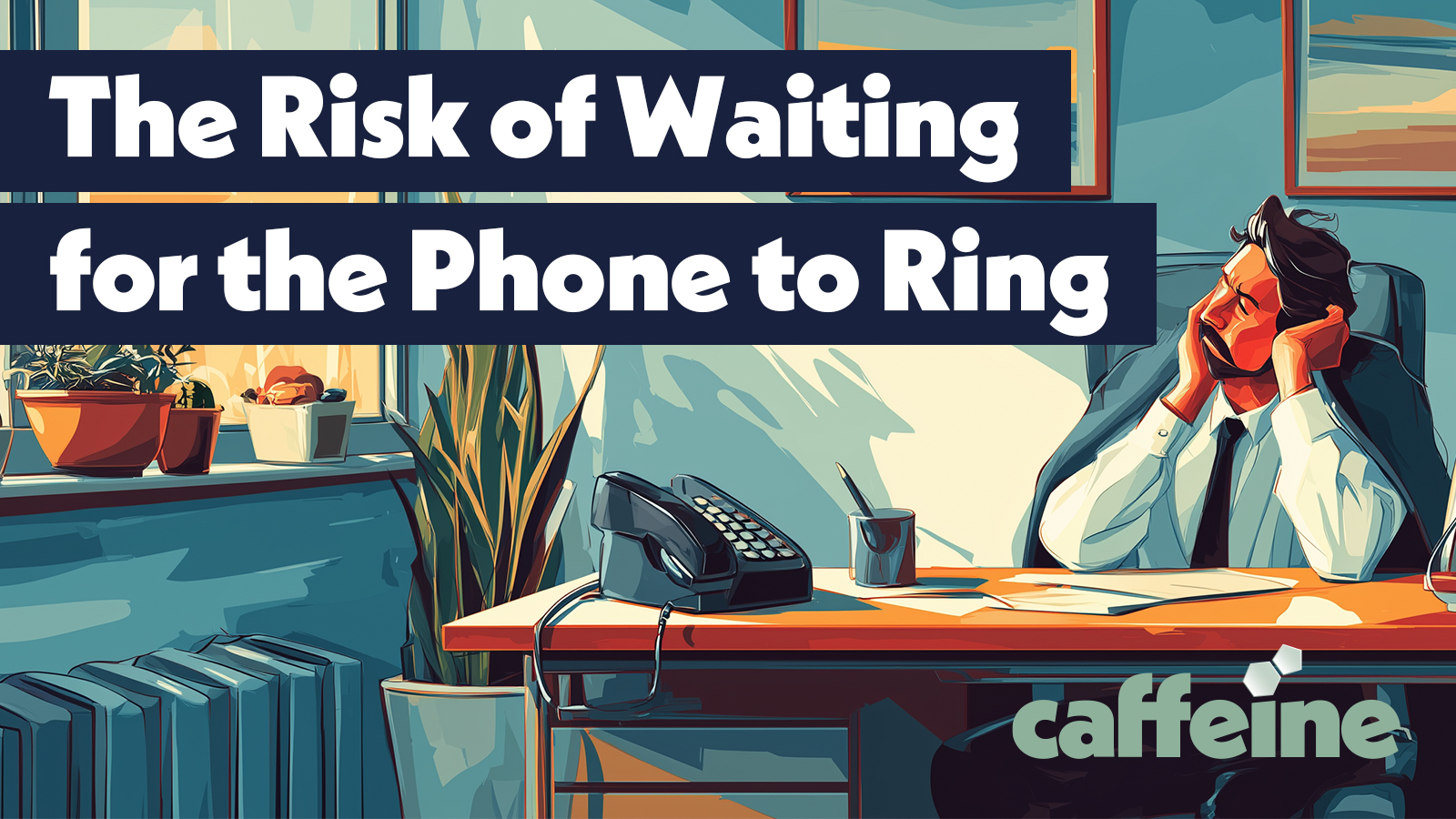
It worked. Until it didn’t.
There’s nothing inherently wrong with building a business where the phone rings.
For years, that was the model. Strong relationships drove repeat business, and word of mouth carried real weight. Demand materialized without much intentional effort behind the scenes.
A lot of operators built solid, durable businesses that way. But the conditions that made that model work have changed.
Today, buyers do more on their own before ever reaching out. They research options, compare providers, and narrow their choices early. By the time a conversation starts, it often isn’t the beginning of the decision. It’s closer to the end.
The phone still rings. It just doesn’t carry the same momentum it once did.
Less visibility, more volatility
When most of your opportunities originate from inbound demand, future business becomes harder to see. Bookings are tied to existing relationships and timing rather than something that can be forecasted or influenced. Over time, that makes revenue patterns harder to predict.
In an industry where assets depreciate when they sit idle, that unpredictability has real consequences.
It tends to show up in uneven utilization, persistent midweek gaps, and, eventually, in the financial performance of the business.
How pricing pressure quietly creeps in
Inbound demand today often arrives with context.
Buyers are already comparing options, collecting quotes, and evaluating providers side by side. This shifts the nature of the conversation before you start talking with them.
Instead of establishing value early, operators are stepping into a decision already in motion. In that environment, differentiation has less room to develop, and pricing naturally becomes a deciding factor.
Operators who take a more proactive approach experience something different. They’ve introduced themselves earlier, communicated what makes them distinct, and created familiarity before the buyer begins comparing options.
That proactivity gives them an advantage when the decision gets made.
A widening gap in the industry
Over time, a pattern has begun to take shape.
Some operators maintain consistent utilization, while others are constantly working to secure the next trip.
The difference is how demand is approached.
Operators with more consistency have a clearer picture of their business, including which types of customers are most valuable and which segments they want to prioritize. They build simple ways to stay visible to those audiences and use their data to reinforce those decisions over time.
Others remain active and busy, but operate with less clarity around which work is truly driving profitability. Without a repeatable way to generate demand, each opportunity can feel like it’s based on hope and luck instead of a winning strategy.
Where the shift actually starts
When growth becomes the focus, the instinct is often to look outward toward marketing tactics or new channels.
In practice, the more effective starting point is internal.
Understanding which trips perform best, identifying which customer segments create the strongest margins, and gaining clarity on what it actually costs to generate and convert a booking reshapes everything that follows.
That level of visibility makes outreach more intentional, sharpens positioning, and introduces structure to what might otherwise feel reactive.
Adapting without abandoning what works
None of this replaces the foundation that many operators have built.
Relationships still matter, and reputation continues to drive meaningful business. Those elements aren’t going away.
But the environment around them has evolved.
And the operators adjusting to that shift aren’t moving away from what worked. They’re building on top of it, adding structure where there wasn’t any before. They’re creating more control over how demand shows up.
Curious what it looks like to take a proactive approach and improve utilization? Contact us here.